A hibiscus cold brew worth the wait
Twelve hours in cold water instead of five minutes in hot. Less tannin, far more colour.
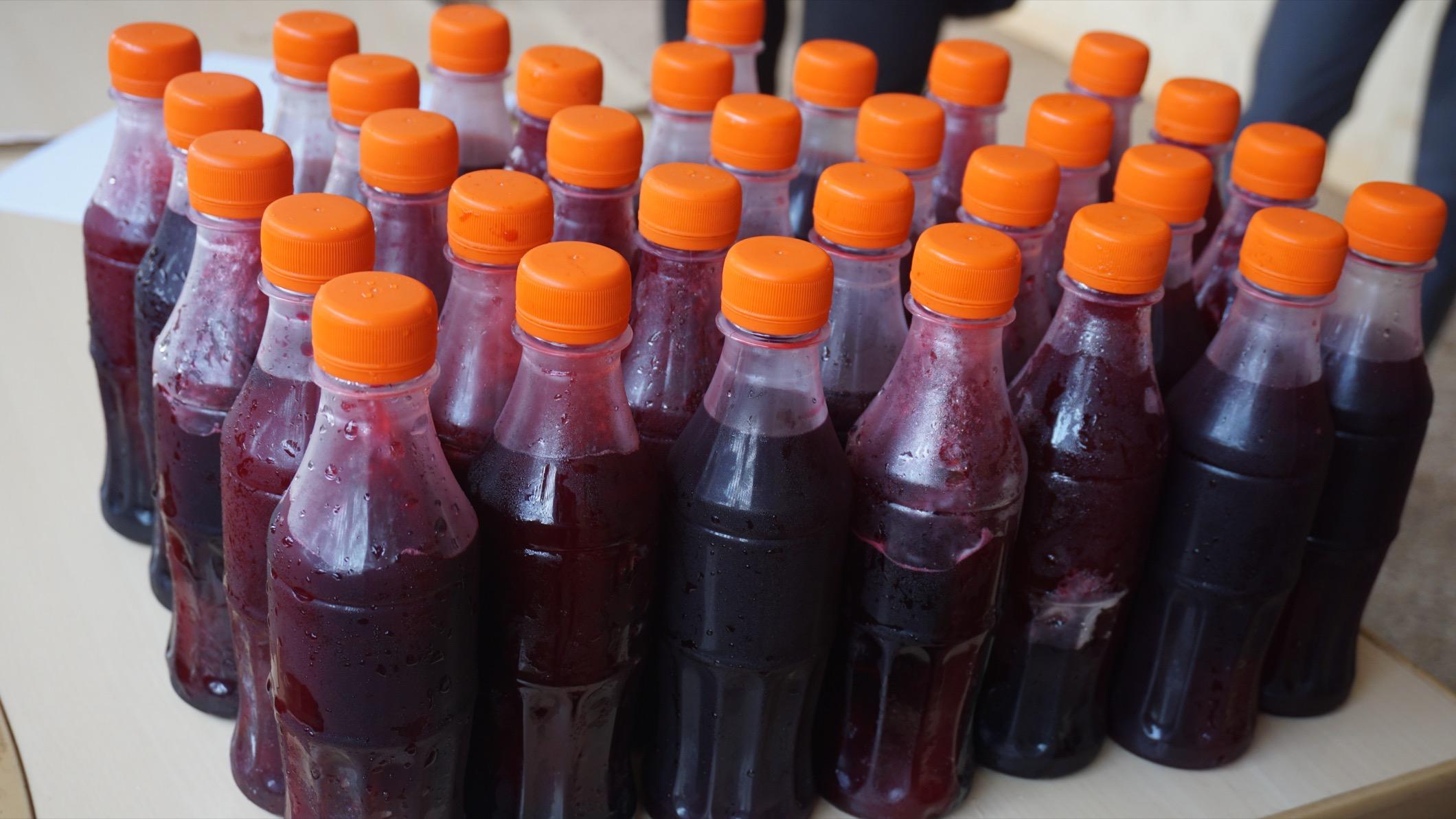
Zobo made the usual way is boiled, sweetened heavily and drunk cold, and the heavy sweetening is doing a job. Hot water pulls a lot of acid and tannin out of hibiscus along with the colour, and sugar is what covers that. Take the heat away and you do not need nearly as much of it.
The method
Fifteen grams of dried calyx per litre of cold water. Straight into a jug, into the fridge, twelve hours, then strain. That is the entire recipe.
No boiling, no cooling stage, no waiting for a pot to come down to fridge temperature. Set it up at night and it is ready in the morning.
Add flavourings at the start rather than the end: a split piece of dried ginger, a few cloves, a strip of pineapple skin if you have it. They infuse on the same slow curve as the calyx.
Why it tastes different
Extraction is selective, and temperature is the selector.
Cold water pulls fewer of the bitter tannins, because those come out preferentially with heat. It also extracts fewer organic acids, which is why a cold brew reads as rounder and less sharp on the tongue. The comparison studies put hot extraction ahead on total phenolics and on antioxidant capacity, and marginally ahead on anthocyanin concentration, so this is a trade rather than a free upgrade.
What you are trading for is character. Cold brewed hibiscus comes out softer and fruitier where the hot version comes out sharp, and it needs far less sugar to be drinkable.
Hot water is faster and takes everything. Cold water is slower and gets to choose.
The colour is the real argument
Anthocyanin is heat sensitive, and this is the same fact that governs how the crop is dried in the first place. Cold extraction degrades far less of it.
In practice this shows up after the brewing rather than during. A hot brew looks excellent in the first hour and then drifts, dulling towards brown over a day in the fridge. A cold brew holds its red. Put a day old glass of each side by side and the difference is not subtle, which matters if you are serving it to anyone or selling it by the cup.
Practical notes
Use whole calyx if you can get it. Cut and tea grade work and extract faster, being smaller, but whole calyx gives a cleaner strain and less sediment over a long infusion.
Do not go much past sixteen hours. The curve flattens and you start pulling the astringency you were avoiding. Twelve is comfortable.
Sweeten after straining, while it is still cold. You will use noticeably less than you expect, which is the point of the exercise.
Drink it within three days. No preservative, no pasteurisation, and it is sitting in a fridge. Make a litre at a time.
Two variations worth making
Half and half. Cold brew twelve hours, then add a short hot infusion of the same calyx to the finished jug, cooled first. You get the softer body of the cold brew with some of the depth that heat pulls out. It is a compromise position and it suits people who find the pure cold version too gentle.
Longer, colder, sparkling. Brew in the fridge rather than at room temperature and top the finished concentrate with soda water at the point of serving. Cold slows extraction further, so use a little more calyx or accept a lighter result. The acidity that survives works well against carbonation.
For either of these, keep the ginger out of the hot component. Dried ginger behaves very differently in hot water, as anyone who has oversteeped it knows, and it will take over a jug quickly.
If you only ever do one thing differently with hibiscus, make it this. The crop already gave up its colour slowly in the sun. There is a certain logic in not boiling it out again in five minutes.