Why the sesame we buy in December tastes different from the March lot
Two extra weeks on the field changes the oil content, and with it the way the seed toasts. This is the reason we quote per lot instead of per crop.
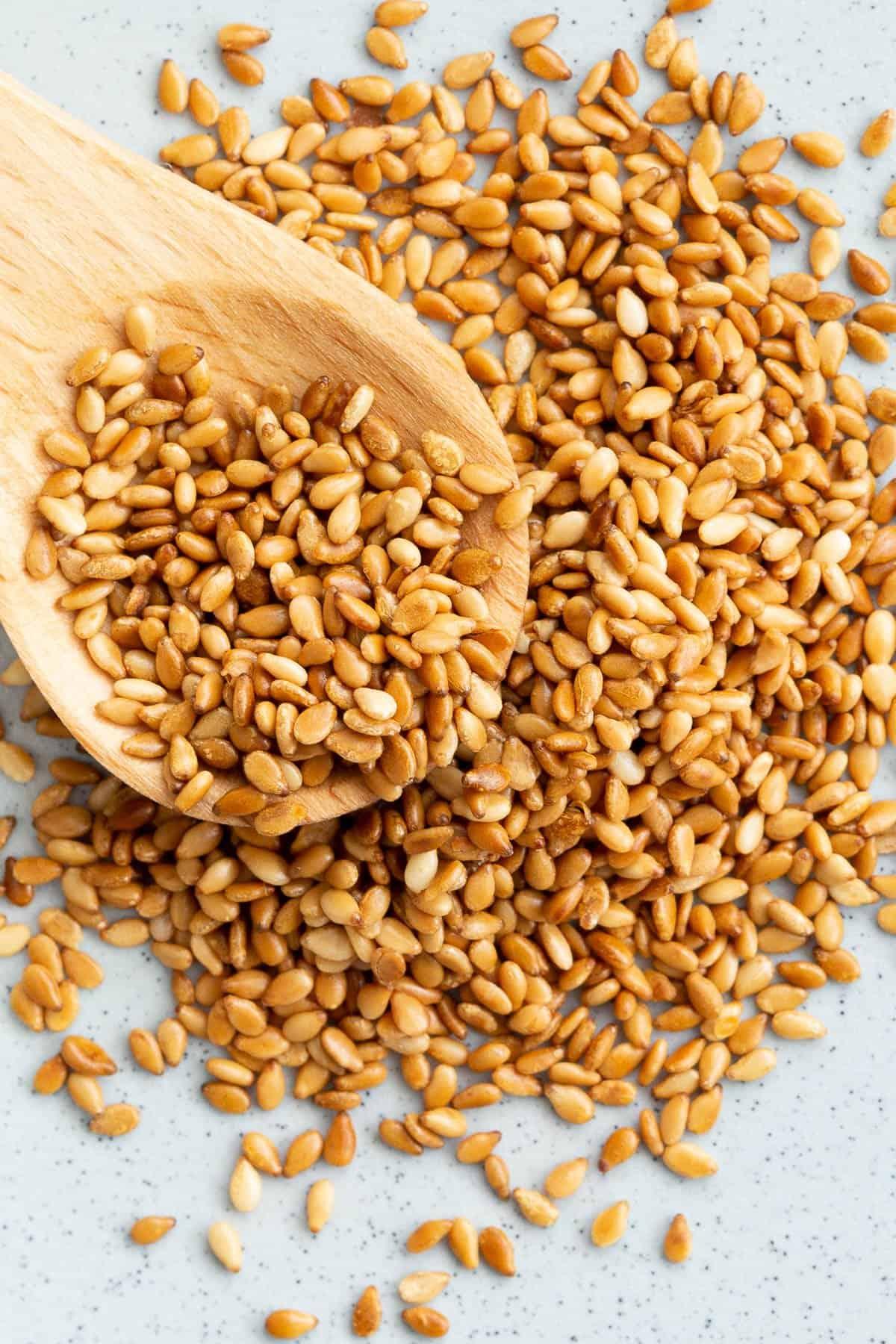
Sesame leaves the field in Jigawa somewhere around the second week of November. It does not leave our store until it has sat long enough to lose the last of its field moisture, and that wait is not the same length every year. In a dry, windy season the crop is ready in ten days. In a season that holds humidity into December it can take three weeks. The seed you buy from us in December and the seed you buy in March came off the same farms, and they are not the same product.
This matters most to anyone who toasts, presses or bakes with it. Oil content in Nigerian white sesame moves within a band of roughly four percentage points across a single harvest window. At the top of that band the seed browns fast and smells sweet within ninety seconds in a dry pan. At the bottom it takes longer, colours unevenly and gives up less aroma. Neither is a defect. They are two useful things, and a buyer who knows which one is in the bag can plan around it.
What the extra fortnight actually does
Field drying is not just water leaving the seed. As moisture falls from around 9 percent towards 6, the coat tightens and the kernel firms up. A firm kernel breaks less in transport, which means fewer fines at the bottom of the bag and less rancidity risk later. It also means the seed sits differently in a press. Crushers who take our March lots tell us they run slightly hotter and get a cleaner separation. Bakers usually prefer the earlier seed, because the softer kernel toasts sweeter.
The trade tends to flatten all of this. Sesame is sold as a grade, usually purity and colour, and the assumption is that anything hitting 99 percent purity is interchangeable. Purity tells you what is not in the bag. It says nothing about what the seed will do when you heat it.
Purity tells you what is not in the bag. It says nothing about what the seed will do when you heat it.
So we quote the lot, not the crop
Every lot we buy carries the cluster it came from, the month it was harvested and the moisture reading taken when it was weighed in. When you ask for a price we tell you which lot we would be shipping and what is in it. If you have run a Nulivine lot before and it worked, ask for the same window next season and we will hold it for you where the harvest allows.
It makes our quoting slower than the market average. It also means nobody opens a bag from us and finds a crop they did not expect, which is the trade we are happy to make.
If you are buying sesame this season, ask two questions of whoever is selling it to you. When was it harvested, and what was the moisture at intake. A seller who can answer both is telling you they handled the crop themselves. A seller who cannot is passing on someone else's bag.