What moisture content actually costs you
A point of moisture is a point of weight you paid for and cannot sell. How to check it on arrival.
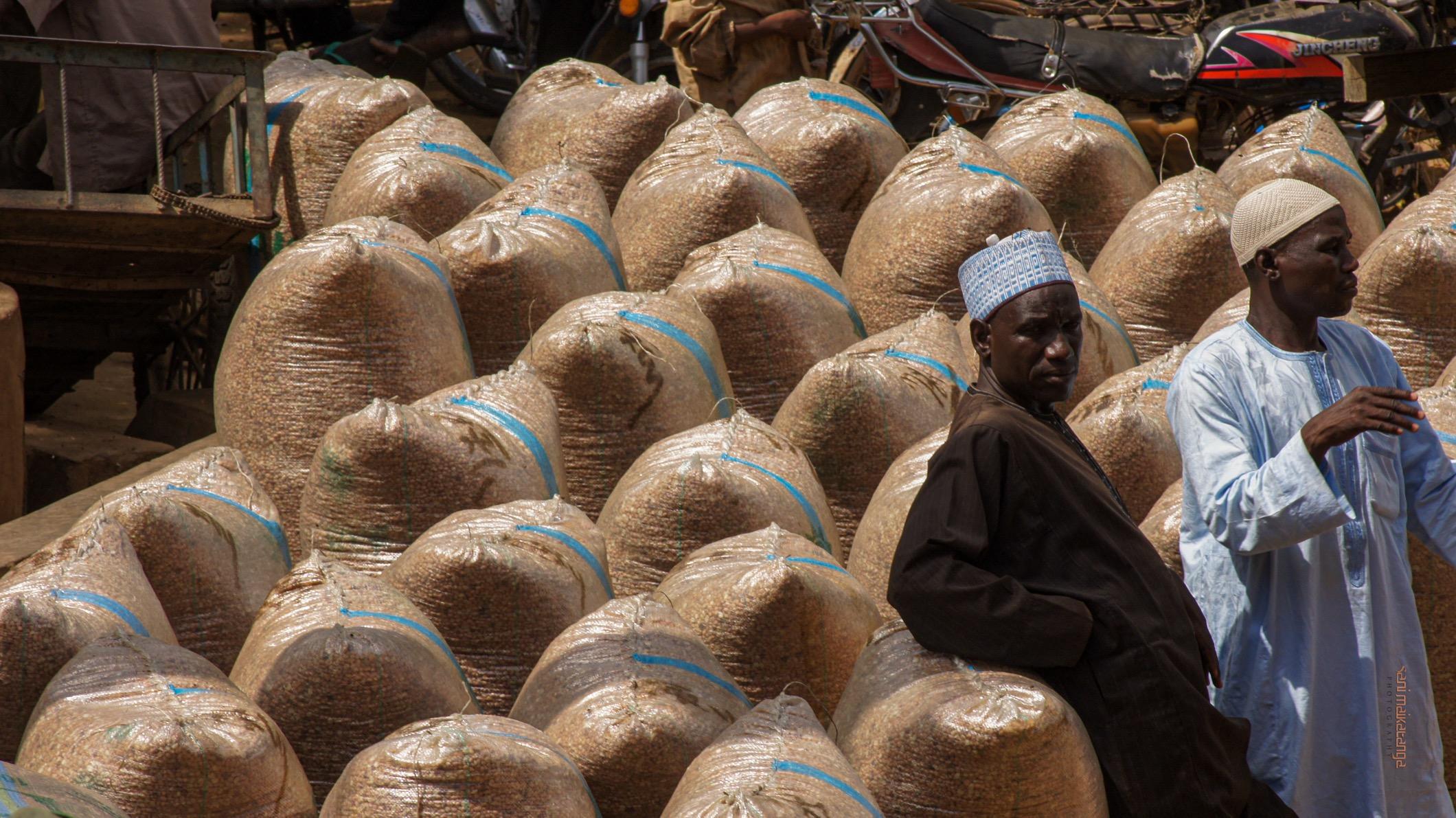
Moisture is the only ingredient in a bag of grain that you pay crop price for and cannot sell. Everything else in there has a use. Water has a cost, and the cost lands twice: once when you weigh it in, and again later when it takes the rest of the bag with it.
Most buyers know this in the abstract and still do not put a number on it. The number is easy, and once you have run it once you will never accept a load without a moisture reading again.
The arithmetic
Take twenty tonnes bought at 10 percent moisture that settles to 7 percent in store. The weight you lose is not 3 percent. It is the water leaving divided by the dry matter that stays, which works out as the initial weight multiplied by the moisture difference over one hundred minus the final moisture.
Twenty thousand kilos, three points, gives you about 645 kilos of shrink. You paid crop price for 645 kilos of water and you are selling nineteen and a third tonnes. On a single 50kg bag the same sum is about 1.6 kilos, which is the part people wave away, right up to the point where it is a truckload.
The second cost is worse
Shrink is the cost you can calculate. The one you cannot is what moisture does to everything sharing the bag with it.
Mycotoxin levels track moisture. In non-hermetic bags, rising temperature, moisture and humidity compound each other, and fungal growth follows. The research on Nigerian sesame puts this starkly: seed collected from farmers and stored for less than thirty days after harvest showed no detectable aflatoxins, while samples collected from retail markets showed a 12 percent prevalence, with positives running from 0.29 all the way to 88.5 micrograms per kilo.
Nothing happened to that seed except time in a bag at the wrong moisture. For context, the FDA limit for total aflatoxin is 20 parts per billion and East African standards use 10, so the top of that range is not a near miss. It is a rejected container.
Nothing happened to that seed except time in a bag at the wrong moisture.
Where the levels sit
Sesame should be below 6 percent moisture to hold. General grain storage research out of Nigeria puts safe storage moisture in the region of 9 to 10 percent for other crops, which is a useful reminder that these numbers are per crop and not transferable. A meter reading that would be fine for maize is a problem in sesame.
Our ginger goes out at 6 percent split dried for the same reason. It is not an arbitrary spec. It is the level below which the crop stops being a growth medium.
How to check it on arrival
Use a meter calibrated for the crop. This is the step most people skip. A moisture meter set for maize will read sesame wrong, and confidently. Check the calibration setting before you trust the number.
Probe more than the top. The top layer of a load is the driest and the best handled. Pull samples from several bags across the load, and from different depths within a bag. One reading off a pallet top is a reading of the pallet top.
Put your hand in. Reach into the middle of a bag. A hot spot means respiration, which means moisture and activity. You will feel it before a meter finds it if you are only sampling the outside.
Smell it. Must, sourness or anything sweetish and fermented is a finished argument. Do not buy it because the number came back acceptable.
Look for caking. Seed that clumps rather than pouring has been wet at some point, whatever it reads today.
If you have no meter on site, the salt test will get you a rough answer. Put dry table salt and a sample of grain in a sealed clear jar, shake it, and leave it ten minutes. Salt sticking to the glass means the grain is giving up moisture. It is crude, it will not give you a number, and it is much better than nothing.
Storage decides what happens next
Getting a good reading at intake is only half of it. The research on grain storage is consistent that non-hermetic bags let temperature, moisture and humidity compound one another, and fungal growth follows that compounding. A crop that arrives at 6 percent and sits in a warm room in woven bags will not stay at 6 percent.
Hermetic storage changes the equation because it stops the exchange. If you are holding anything for more than a few weeks in this climate, the bag type is not a detail.
The other variable is time. That Nigerian sesame study is worth repeating for this reason: seed held by farmers for under thirty days after harvest showed no detectable aflatoxin at all. The contamination showed up further down the chain, in market samples, after the crop had been sitting. Nothing about the seed changed. The storage did.
If a load arrives wet
Decide quickly, because the clock started before the truck did.
Do not stack it. Break the load down and get air around it rather than putting warm damp bags into a pile, which is how a hot spot becomes a whole pallet.
Do not blend it into dry stock to average the moisture down. The number improves and the risk does not, because you have now put the problem into a larger volume.
Dry it or reject it. Those are the two honest options, and which one makes sense is a straight commercial calculation between the cost of drying and the value of the load.
Ask for the intake reading
Every lot we buy carries the moisture reading taken when it was weighed in, and we will send it with the quote. A seller who can tell you the moisture at intake handled the crop themselves. A seller who cannot is passing on a bag they bought closed, and the water in it is now yours.