Caffeine free does not mean it does nothing
Roots work slower than coffee and hold longer. What that feels like across an afternoon.
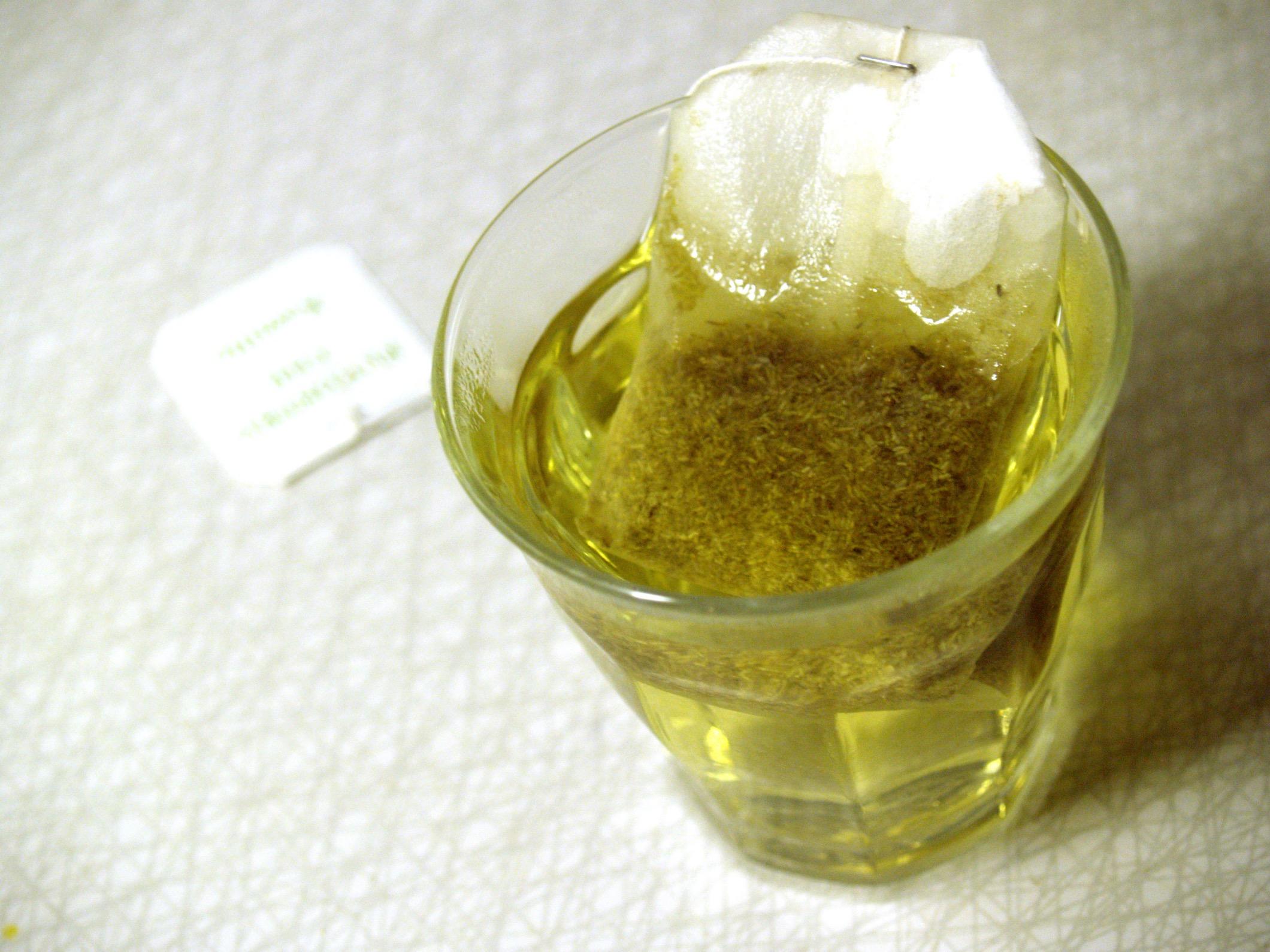
People tend to hear "caffeine free" as "decaffeinated", which carries the suggestion of something removed and a weaker product left behind. For a root and berry infusion that framing is simply wrong. There was never any caffeine in astragalus or reishi to take out. It is a different category of drink with a different shape, and the shape is the interesting part.
A note before any of this: what follows describes traditional use and what research suggests about how these herbs behave. It is not medical advice, and nothing here is a treatment for anything.
What caffeine does, and how fast
Caffeine is a stimulant acting on the central nervous system, and it is extremely quick. The effect can begin within about five minutes of a cup and climbs from there. That speed is the whole appeal. You take it because you want something to happen now.
The cost of that speed is the shape of the curve. What rises fast falls, and the familiar pattern of a lift, a plateau and an afternoon dip is caffeine's signature rather than a personal failing. Take enough of it and you get the jitters and a cortisol response alongside the alertness.
What a root infusion does instead
Adaptogenic herbs do not push the nervous system the way a stimulant does. The proposed mechanism is closer to modulation: helping the body use energy more efficiently and normalising its response under stress, acting on the HPA axis and cortisol rhythm rather than overriding them.
That mechanism has a consequence people are rarely warned about. It is slow. The effects of this class of herb are described as cumulative, generally becoming noticeable somewhere between two and four weeks of consistent daily use, with the fuller picture over two to eight weeks.
Caffeine is something you take when you want an effect now. Roots are something you take when you want a different baseline in a month.
What an afternoon actually feels like
The honest answer is that it feels like less happening, which is the point and also the reason people give up in week one.
There is no lift to notice at 3pm, because there was no spike at 11am to come down from. What people describe instead, and it matches how our own customers report it, is that the afternoon is simply flatter. Not more energetic. Less eventful. The dip that used to arrive does not arrive, and you notice its absence rather than any presence.
This is unsatisfying if you are looking for a sensation. It is the entire value if what you actually wanted was to stop riding a curve.
The other practical difference is the evening. A root, berry and mushroom infusion has nothing in it to keep you awake, so a cup at 8pm is a normal thing to do. That alone changes when a drink can be used, and it is why several of our customers describe drinking it at the end of the day rather than the start.
How to judge it fairly
Three things, learned mostly from people telling us the tea did nothing after four days.
Give it the time the mechanism needs. A fortnight is the minimum honest trial. Our own guidance is to finish a pouch, which is fifteen days, before deciding. Judging a cumulative effect on day three is judging the wrong thing.
Be consistent rather than heavy. One cup daily beats three cups twice a week. The pattern that the research describes depends on regular exposure, not on dose stacking.
Watch the right signal. Most people who report a change describe energy and mood first, and sleep quality alongside it. If you are monitoring for a caffeine style rush you will conclude nothing is happening, because nothing of that kind is meant to.
What is actually in the cup
Worth naming, because "caffeine free herbal blend" tells you nothing about mechanism and the individual herbs have quite different traditional roles.
The blend we sell is built on cistanche, a desert root used for centuries in Chinese practice, with cornelian cherry alongside it, and astragalus doing the slow tonic work. Reishi is the calming element, traditionally used around stress and sleep quality. Mulberry and eucommia leaf fill out the cup.
Astragalus is the one that best illustrates the point of this article. It is a classic energy tonic in the traditional sense, which means cumulative rather than acute. Nothing about it produces a noticeable event on the afternoon you drink it. That is not a weakness of the herb. It is the category behaving as the category behaves, and it is why the guidance is fifteen days rather than one cup.
Can you have both
Yes, and plenty of people do, but the ordering matters more than most people think.
If you drink coffee in the morning and a root infusion in the evening, the two are not competing. Caffeine has largely cleared, and the infusion has nothing in it to disturb sleep, which is when the herbs are supposed to be doing their work anyway.
Stacking them in the same cup is a different proposition. The stimulant will dominate whatever you experience, so you lose the ability to tell what the herbs are doing, which defeats the point of a trial period. Separate them for the first fortnight at least, or you will not know what you are assessing.
What it is not
Caffeine free does not mean risk free, and slow does not mean harmless. Herbs interact with conditions and with prescriptions. Our teas are not for pregnancy or breastfeeding, not for anyone under 18, and anyone on hormone therapy or fertility treatment, or with a diagnosed hormonal condition, should speak to their doctor before starting rather than after.
It also does not mean a substitute for sleep. Nothing in a cup fixes a person running on five hours, and any product implying otherwise is selling you the same curve caffeine sells, more slowly.