Ginger, hot two ways
The difference between fresh and split dried ginger in a cup, and when each one is the right call.
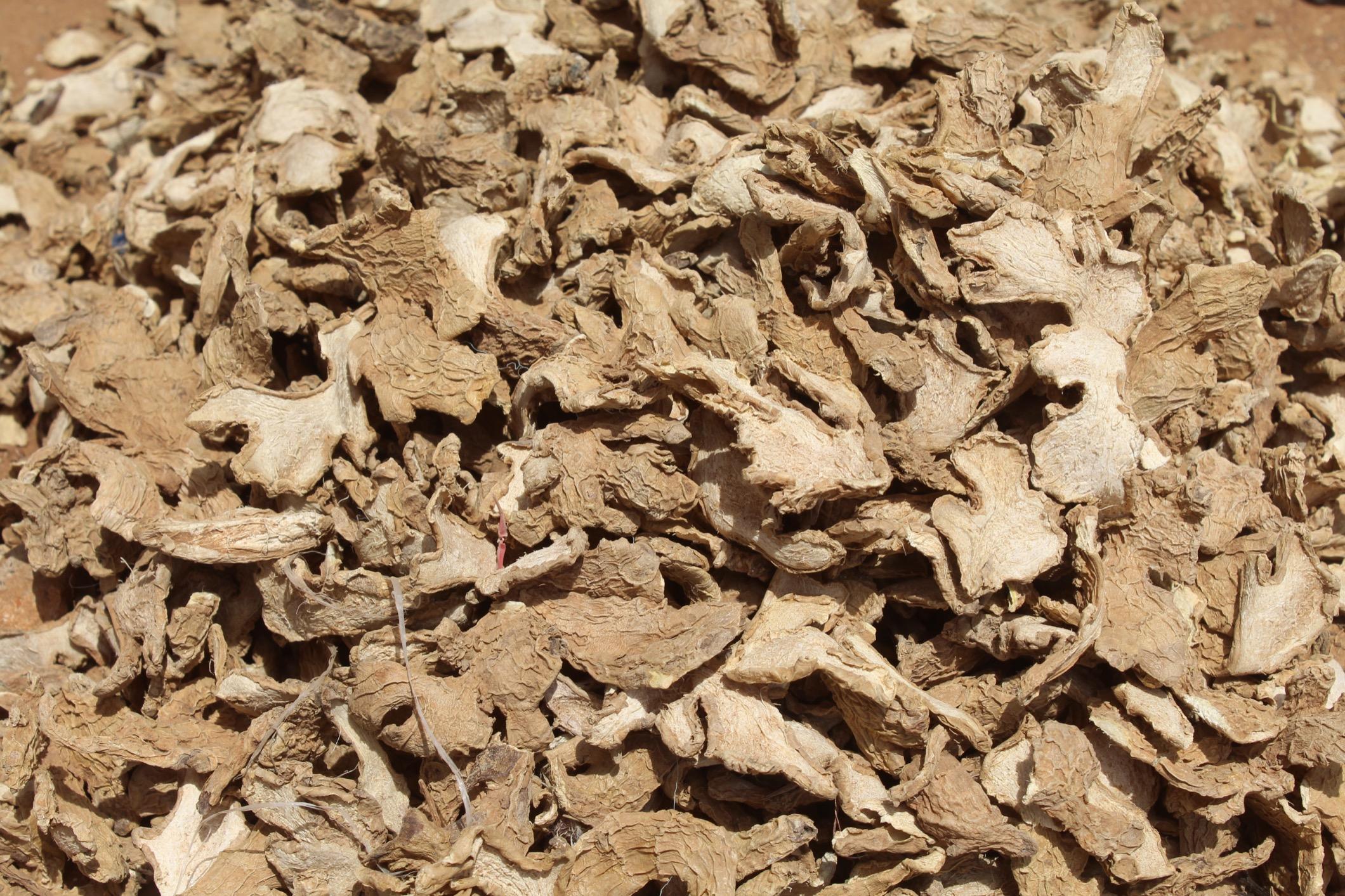
Fresh ginger and dried ginger are sold as the same ingredient and behave like two different ones. If you have ever made a cup with dried ginger expecting the bright, sharp heat of the fresh root and got something rounder and slower instead, that was not a bad batch. That was chemistry doing what it does when you take water out of a rhizome.
What drying changes
The pungency in fresh ginger comes mostly from gingerols. When ginger is dried, gingerols lose a water molecule and convert towards shogaols. Shogaols carry a deeper, more persistent heat that sits further back in the mouth, while the bright lemony top note of the fresh root fades.
Neither is better. They are two different cups, and knowing which one you are holding tells you what to do with it.
The two Nigerian varieties
Most ginger here comes out of Kaduna, which grows more of it than any other state. Two varieties dominate. Tafin Giwa is the yellow one, stout with short internodes and a bold yellow flesh, and it is what the market generally prefers, yielding around 15 tonnes a hectare. Yatsun Biri is the local black ginger, dull grey in the rhizome, lower yielding at around 11 tonnes, and higher in monoterpenes and oil. That extra oil makes it more pungent and it is usually the one that goes for oil and oleoresin production.
If a dried lot tastes hotter than you expected for the weight, variety is often the reason before drying is.
Fresh is a top note. Dried is a base note. Very few recipes want both jobs done by the same root.
When to reach for fresh
Fresh suits anything short. A thin slice steeped for five minutes gives you the lift and the citrus edge, which is what you want in a morning cup, in a lemon and honey infusion, or anywhere the ginger is the brightest thing in the glass. It is also the right call for cooking, where it goes in late.
Slice it thin across the grain rather than chopping it. Surface area is what you are after, and thin coins give up more in less time than a rough dice.
When to reach for dried
Dried holds. In a long simmer, in anything with milk in it, or in a blend sharing a cup with cinnamon, clove or hibiscus, dried ginger keeps its position while fresh gets buried. It also does not care what month it is, which is the practical argument: we can supply fresh in season and split dried all year.
Split dried needs different handling. Crack the pieces before they go in the water, because whole dried ginger has a hard surface and very little exposed edge. Then give it longer than you think, ten minutes at a proper simmer rather than a steep. Water off the boil is fine for a tea bag, but a dried root wants heat and time.
Keeping both
Fresh ginger wants a cool dark place and airflow, not a sealed bag in a fridge, where it sweats and goes soft at the cut end. If you have more than you will use in a fortnight, freeze it whole and grate from frozen, which works better than it sounds and skips the peeling entirely.
Split dried ginger wants exactly what every dried crop wants: a sealed container, cool, dry, out of light. Ours goes out at 6 percent moisture, which is dry enough not to support anything growing, and the only way to spoil it from there is to let it pick moisture back up.
A dried piece that has gone soft or smells flat has been sitting somewhere humid. It will still make a cup, but the volatile oils that carry the aroma are the first thing to leave.
The short version: fresh for brightness and speed, dried for depth and staying power. If you want both, use dried in the pot and grate a little fresh over the cup at the end.