The second steep is the honest one
Cheap blends give everything up in four minutes. Whole herb keeps something back for the refill.
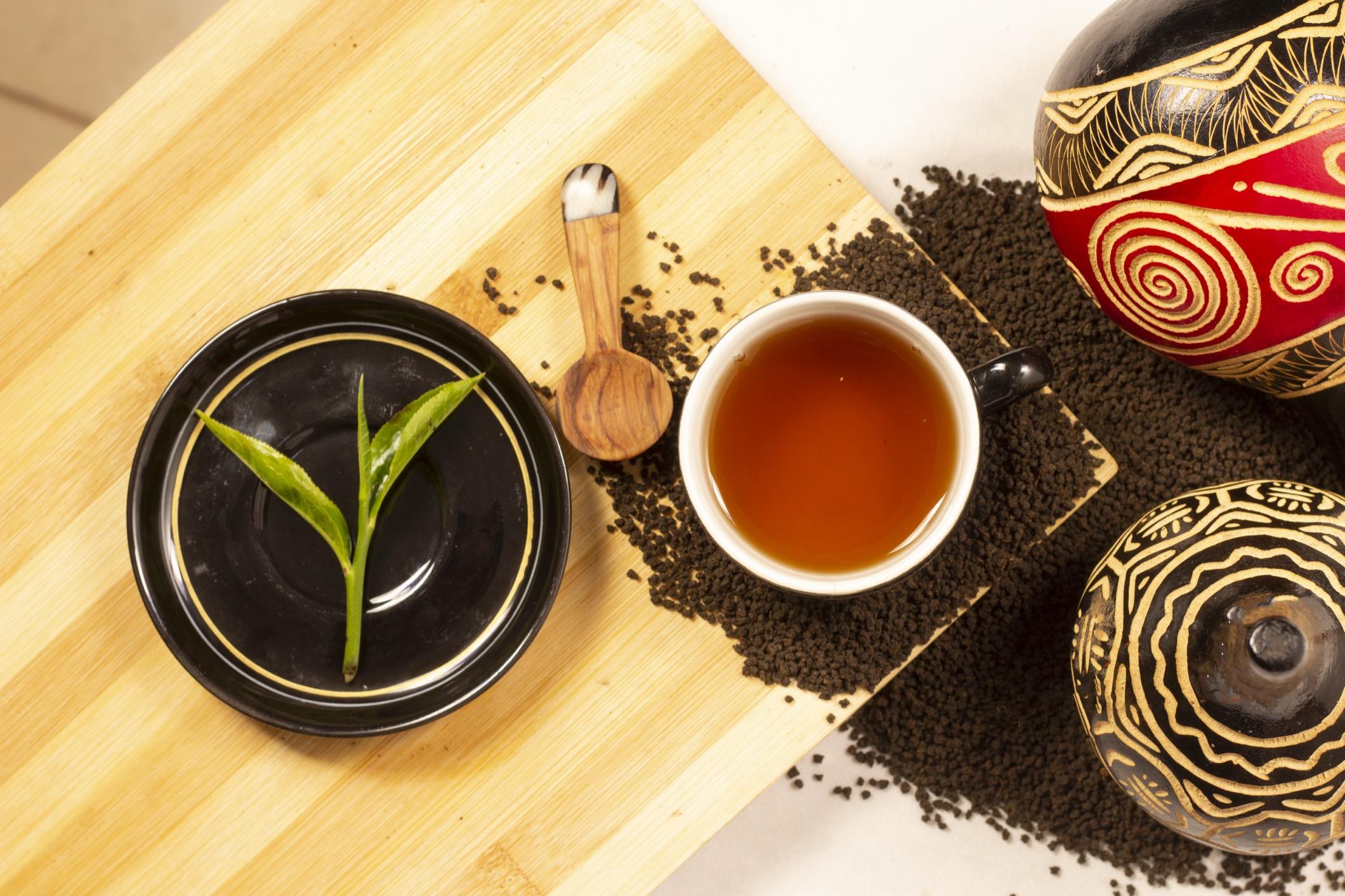
Here is a test you can run on any tea in your cupboard tonight, and it costs nothing. Make a cup the way you normally would. Keep the bag or the leaf. Pour water on it a second time and drink that.
If the second cup is thin, pale and slightly papery, you are drinking dust. If it still has something to say, you bought whole herb. The second steep is where a blend stops being able to hide.
Why it works
It comes down to surface area. A broken grade has vastly more exposed surface per gram than a whole leaf version of the same tea, because breaking it up is precisely what creates surface. Fannings and dust brew almost instantly for that reason, and small leaf fragments infuse much faster than large ones.
Fast extraction sounds like a feature and is really a description of a limit. Broken leaf and dust dump most of what they have into the first cup and have very little left for a second. Whole leaves have less exposed surface, so they release more slowly, give a more layered cup, and tolerate being brewed several times.
Fast extraction is not a feature. It is a description of how little is left afterwards.
What this means when you buy
A flat paper bag holding two grams of powder is designed around the first four minutes. It will make a strong, quick cup and then it is finished. There is nothing wrong with that if a fast strong cup is what you want, and it is generally cheaper for good reason.
A pyramid bag holding five grams of broken root, berry and leaf is designed around a different curve. It needs longer to open, which is why our brewing note says three minutes and suggests longer for a deeper cup, and it still has material left when the first cup is poured.
Roots and berries behave this way more than leaves do. A piece of dried cistanche or a dried mulberry is dense and gives up its content gradually whatever you do to it, which is why root heavy blends reward the refill more than leaf teas of the same price.
What resteeps and what does not
Not everything rewards a second pour, and it is worth knowing which is which before you disappoint yourself.
Roots and bark resteep well. They are dense, low in exposed surface relative to mass, and give up their content slowly by nature. Ginger, astragalus and eucommia will all give you a genuine second cup and sometimes a third.
Dried fruit and berries resteep reasonably. Mulberry and cornelian cherry hold sugars and acids that come out over a longer curve, and they are often what keeps a second cup from tasting hollow.
Mushroom resteeps very well. Reishi is about as slow as this gets.
Flowers and soft leaves largely do not. Hibiscus gives most of its colour and acid to the first pour, and a second steep of calyx is noticeably pale. Mint and other aromatic leaves lose their volatile oils immediately and what is left is mostly vegetal.
This is why a root heavy blend and a flower blend at the same price are not the same purchase. One is priced per cup as you see it. The other is priced per cup twice over, if you bother to pour again.
Getting the second cup right
Add time, not heat. If the first steep was three minutes, give the second four or five. The easily extracted material has gone and what remains needs longer contact to come out.
Do not leave the bag sitting wet for hours between cups. Same session, or within the hour. A sachet left damp on a saucer all afternoon is a different thing by evening.
And judge the tea on the second cup, not the first. Anything can be made to perform once.