Tiger nut, the pantry staple we underrate
Sweet, starchy and grown across the middle belt. Why it belongs in more than kunu.
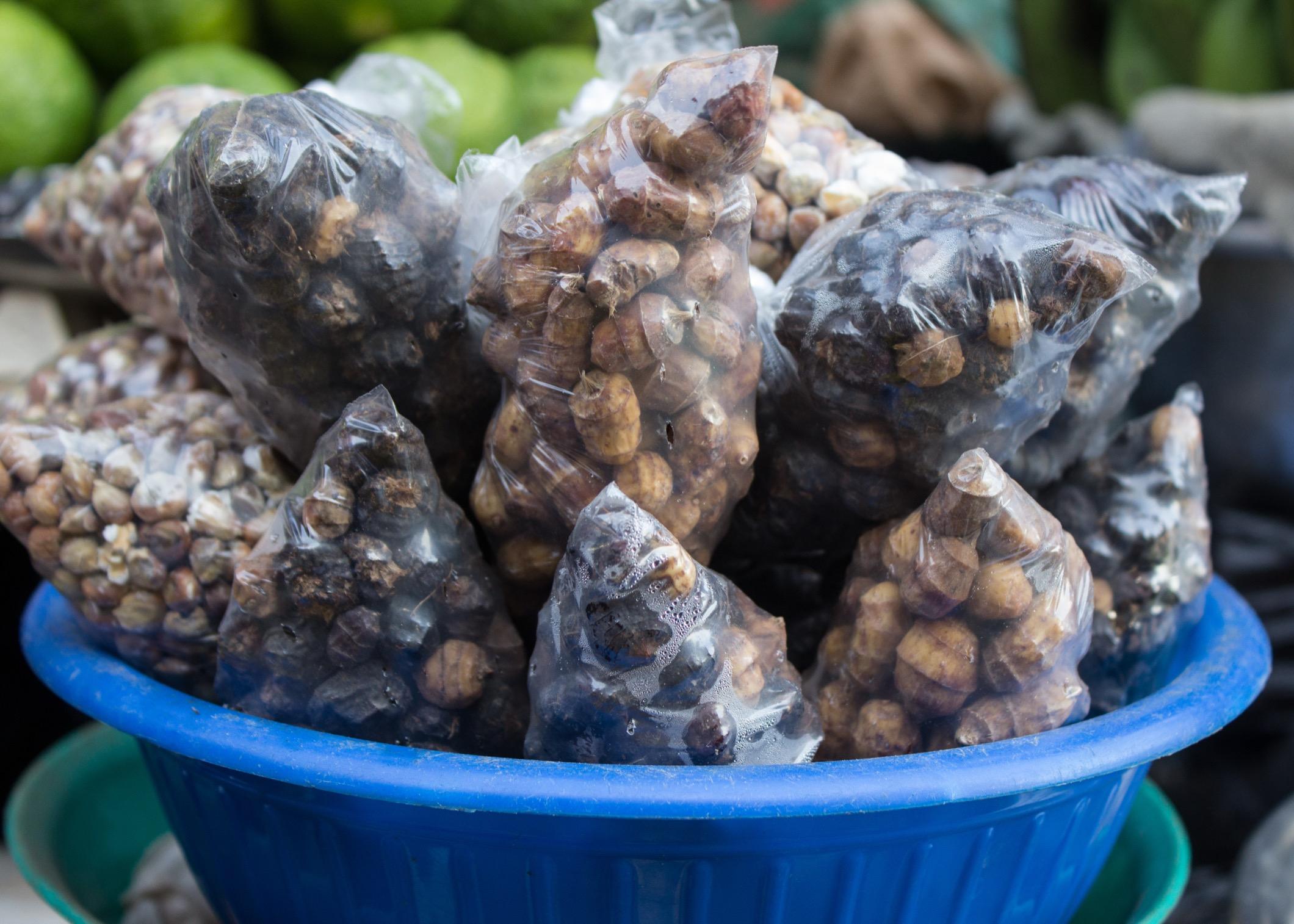
Tiger nut is one of the few crops in this country that almost everybody has eaten and almost nobody thinks about. It is aya in Hausa, aki Hausa in Igbo, and imumu, ofio or erunsha in Yoruba, which is a good indication of how far it travels. Most of the crop comes out of the north and the middle belt, with Kaduna and Katsina carrying the bulk of it, planted around April and lifted in November on the sandy soils it prefers.
And for most people the entire relationship with it is kunun aya, bought cold in a bottle, which undersells it considerably.
It is not a nut
Worth clearing up, because it explains the texture. Tiger nut is a tuber, not a nut. What you are chewing is a small sweet root vegetable that has been dried, which is why it rehydrates the way it does and why the milk it produces is starchy rather than oily in the way almond or groundnut milk is.
That also makes it safe ground for households avoiding tree nuts, which is not something you can say about most of the things it competes with on a shelf.
What is actually in it
Tiger nut carries useful amounts of calcium, iron, magnesium, potassium and phosphorus, along with vitamins C and E. The fat is largely oleic acid, the same monounsaturated fat that makes up most of olive oil, which is associated with higher HDL cholesterol.
The part that gets least attention is the starch. Tiger nut is high in resistant starch, which passes through to the large intestine rather than being digested in the small, giving it a prebiotic quality. That is the mechanism behind most of the gut health claims made about it, and it is a real one, though it is worth saying plainly that this is a food and not a treatment.
A crop that everybody has eaten and almost nobody has cooked with.
Beyond kunu
Kunun aya properly made. Worth doing once from dried nuts rather than buying. Soak overnight until they plump, blend with dates and a little water, sieve through muslin, chill. What you get is sweeter, thicker and considerably less watery than the bottled version, and it needs no added sugar because the dates and the tuber do it.
Flour. Dried tiger nut grinds into a fine, naturally sweet, gluten free flour. It behaves like a soft flour rather than a structural one, so use it as part of a mix rather than the whole of it. It is very good in anything short and crumbly, and it browns fast, so drop your oven temperature slightly.
Eaten as they are. Soaked for a few hours until they soften, they are a snack with the texture of a firm coconut and a mild sweetness. This is how they are mostly eaten in the north and it remains the easiest entry point.
The pulp. Anyone making the milk throws away the best part. What is left in the muslin is sweet, fibrous and perfectly good stirred into porridge, into a batter, or dried out low and used as a coarse flour.
The oil nobody presses here
Tiger nut is roughly a quarter oil by weight and that oil is largely oleic acid, which puts it in the same chemical family as olive oil. In Spain, where the crop supports an entire horchata industry, the oil is a product in its own right.
In Nigeria it is mostly not pressed at all. The crop is sold dried for chewing and for kunu, and the oil stays in the tuber and gets drunk or discarded with the pulp. Whether that is a missed opportunity depends entirely on whether anyone builds the pressing capacity for it, which is a bigger question than a journal entry can settle. It is a good illustration of a pattern across Nigerian crops though: the raw material is here, the processing is somewhere else, and most of the value follows the processing.
Two more things to do with it
Roast them. Dry roast soaked and drained tubers in a low oven until they firm up again. The sweetness concentrates and they turn into something closer to a nut than the soaked version, good on their own or chopped over anything.
Use the milk in cooking, not just for drinking. Kunun aya behaves well in porridge, in pancake batter and in anything that would otherwise take dairy or coconut milk. It is naturally sweet, so cut the sugar in whatever you are making before you taste it, not after.
Buying it
Look for tubers that are plump rather than shrivelled, and avoid anything that smells even slightly fermented, which is the giveaway on a lot that was dried badly or stored damp. Colour varies naturally between brown and yellowish and tells you less than people assume.
Dried tiger nut keeps very well in a sealed container. Its weakness is moisture and nothing else, which puts it in the same category as every other crop we handle.