Why we quote per lot, not per crop
Two bags of the same seed from the same state can price differently, and it is not arbitrary.
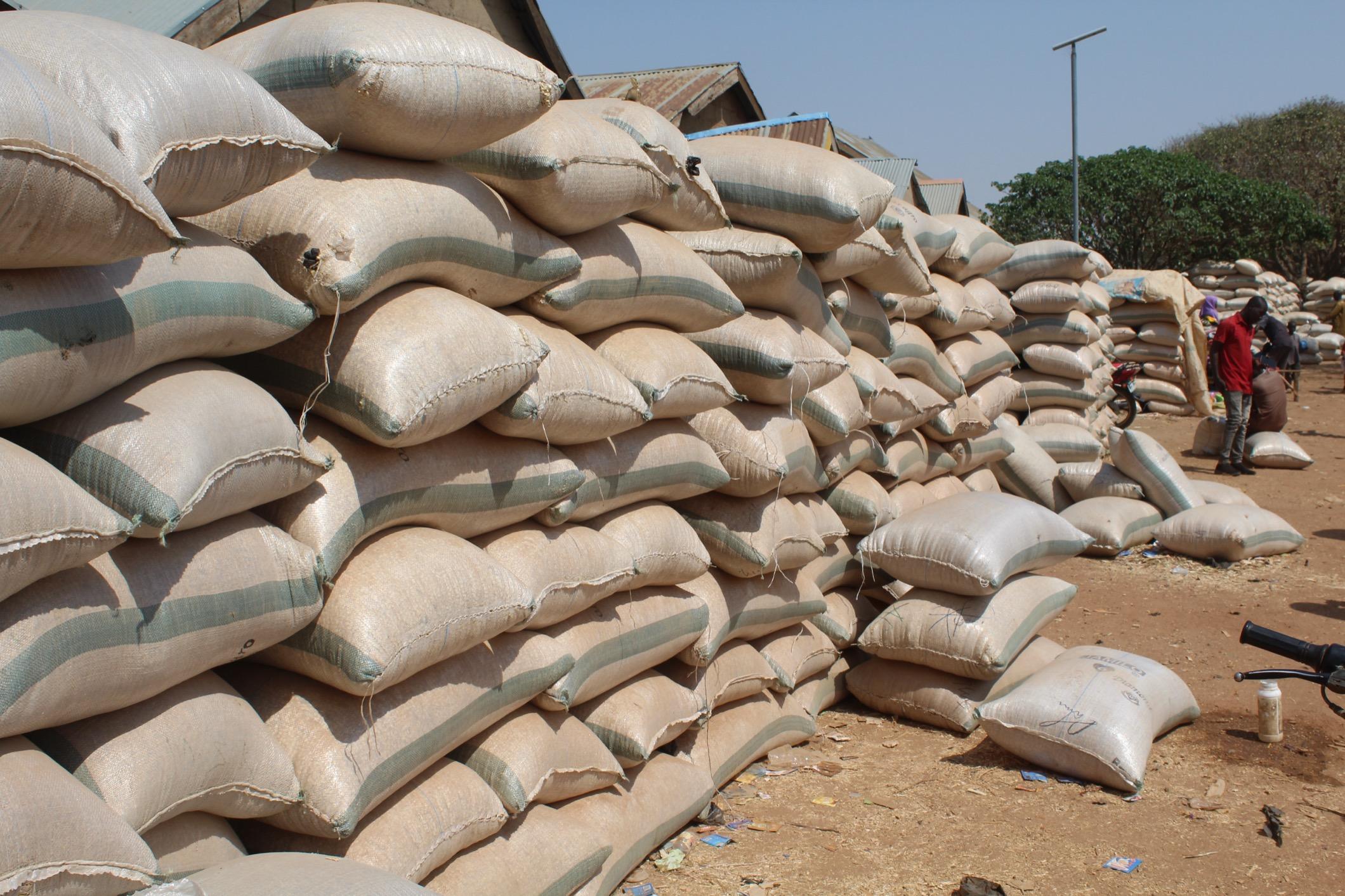
Ask most suppliers for a price on Nigerian sesame and you will get one number for the crop. Ask us and you will get a number attached to a specific lot, with a cluster, a harvest month and a moisture reading beside it. Buyers new to us occasionally read this as evasiveness. It is the opposite, and this is the explanation we usually end up giving twice.
What a lot is
A lot is a distinct and limited portion of a crop. In practice that usually means one crop, harvested from a defined area, over a defined window, handled together and kept together. Traceability systems in the produce trade are built on exactly this unit, with each lot carrying a code that lets you follow it back to where it came from.
A crop, by contrast, is everything of that type in that season. Sesame from Nigeria in 2026 is a crop. Sesame from four clusters in Jigawa collected in the second and third weeks of November, weighed in at 7.2 percent, is a lot.
Pricing the crop means pricing an average of things you have not looked at. Pricing the lot means pricing the thing you are actually going to ship.
Why grade alone does not cover it
The trade compresses quality into a grade, usually purity and colour for sesame, and the working assumption is that anything hitting 99 percent purity is interchangeable with anything else hitting 99 percent purity. That assumption is what lets several separate lots be pooled together to make up a grade level for a sale, which happens routinely.
For plenty of buyers this is fine. If you are reselling into a market that also buys on grade, an average is exactly what you want.
It stops being fine the moment the crop has to perform. Purity tells you what is not in the bag: no stones, no chaff, no other seed. It says nothing about moisture at intake, how long the crop dried, how it was stored, or what it will do under heat. Two lots at identical purity can behave differently in a press, a pan or a bag six months from now.
Grade tells you what a crop is missing. A lot record tells you what it will do.
Where the price differences come from
Two bags of the same seed from the same state can carry different numbers for reasons that are all traceable.
Moisture at intake. The most direct. Water is weight you paid crop price for and cannot sell, and higher moisture also raises the risk of what grows in the bag later. A lot that came in at 6 percent is not the same asset as one that came in at 9.
Drying time. How long a crop sat on the field before collection changes the kernel, not just the water content. In sesame this shows up as oil content, and the spread across a single harvest window runs to about four percentage points.
Handling. Whether it dried on mats or on bare earth. Whether it was rained on once. Whether it went into hermetic storage or into stacked bags in a warm room. None of this is visible in a purity figure and all of it is visible in the lot.
Cluster. Some growers dry properly every year. That reliability is worth something and it prices in.
What it means when you buy from us
Three practical consequences.
Our quoting is slower. We cannot give you a number off the top of a price list, because we are telling you about a specific holding rather than a market average. If you need an indication for a budget, say so and we will give you a range and label it as one.
You can repeat a result. This is the part regular buyers use most. If a lot worked in your process, tell us and we will look for the same window from the same clusters next season and hold it where the harvest allows. That is not possible if all either of us knows is "Nigerian sesame, 99 percent".
Nobody opens a surprise. The commitment runs both ways. We do not blend a weaker lot into a stronger one to make up volume against a grade, because doing that once would make every lot record we have issued meaningless.
What we will not do with a lot
The policy that makes the rest of it credible is a negative one, so it is worth stating outright.
We do not blend a weaker lot into a stronger one to make volume against a grade. Pooling lots to hit a grade level is standard practice across the trade and it is not dishonest in itself, since a grade is an average and everyone buying on grade knows it. But we cannot both do that and issue lot records, because the record would then describe something that no longer exists in the bag.
So when we are short on a good lot, we say we are short. Sometimes that means telling a buyer to wait for the next collection window, or splitting an order across two lots and pricing them separately, which is more work for everyone and occasionally loses us the sale.
What a lot reference looks like in practice
Nothing sophisticated. A crop, a cluster identifier, a collection window and a sequence, which resolves to something like sesame from a named Jigawa cluster, second collection, third week of November.
Against that reference sits the intake record: weight in, moisture reading, who weighed it and when. That is the entire system, and it is deliberately simple enough to be maintained by hand at a collection point with no connectivity, because a traceability scheme that only works where there is signal does not work where the crop is.
When we quote, we tell you the reference. When the goods arrive, the reference is on the documentation. If those two do not match, you have a legitimate complaint and a specific thing to complain about, which is the whole purpose of issuing a number in the first place.
What to ask any supplier
Two questions, and they work on anyone, not just us. When was it harvested, and what was the moisture at intake.
A seller who can answer both handled the crop themselves and kept a record. A seller who can answer neither bought it closed and is passing it on closed, and whatever is in there is about to become your problem rather than theirs.